
GHCRIGlobal Human Capital
Reinsertion Initiative
Every person
is capitalReturn & Rise
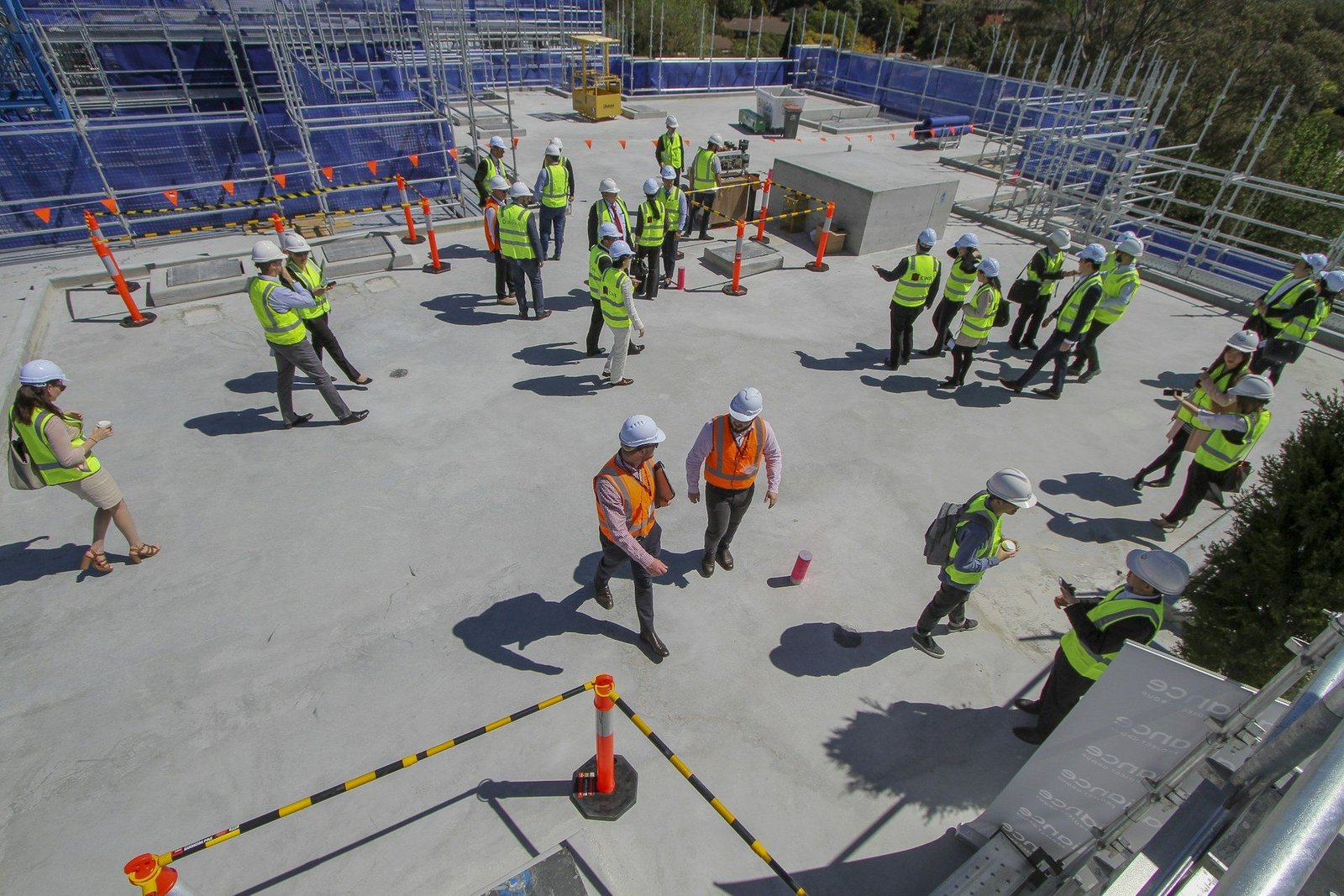
Site supervisors directing a building crew and its machinery
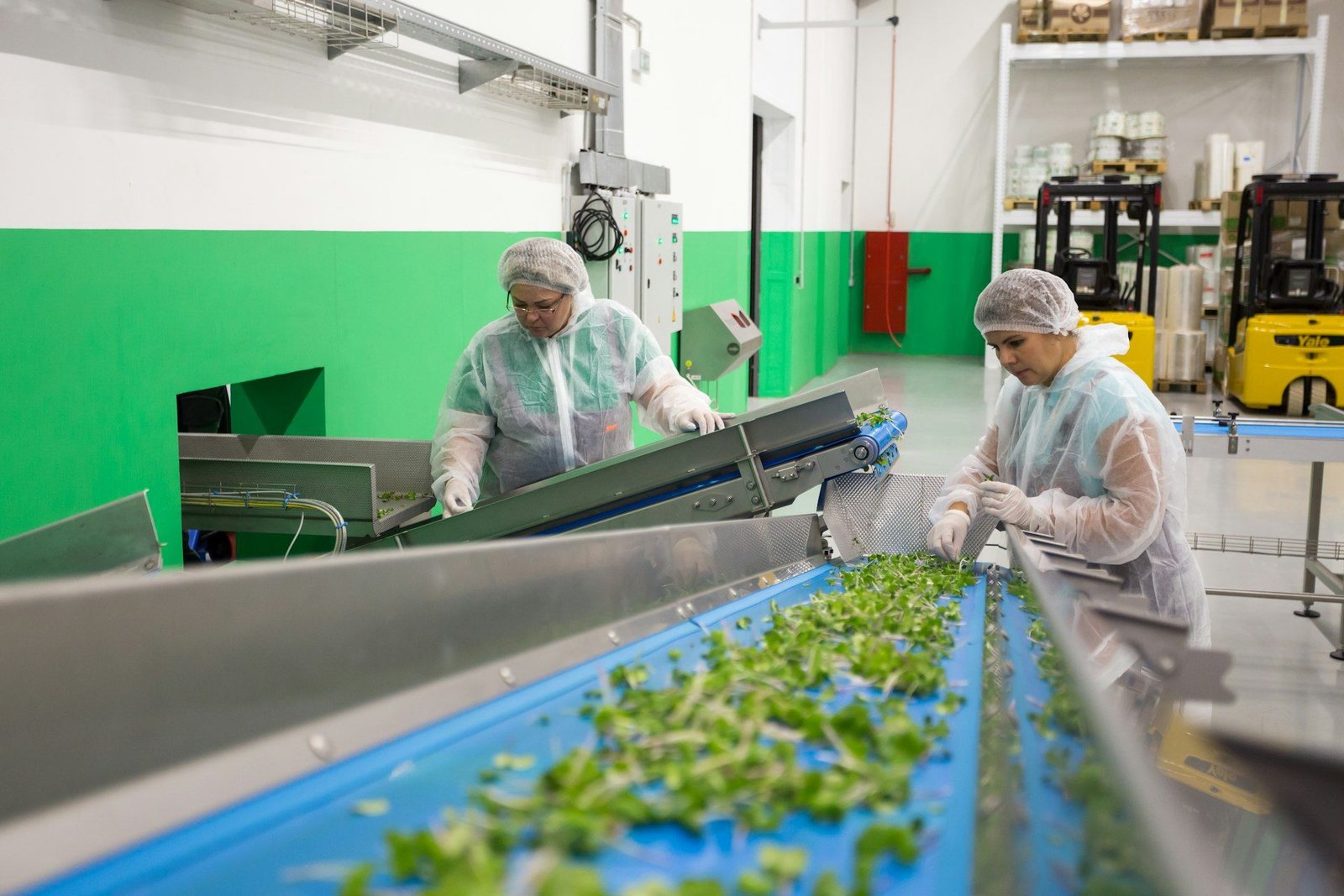
A packing-line team processing fresh produce
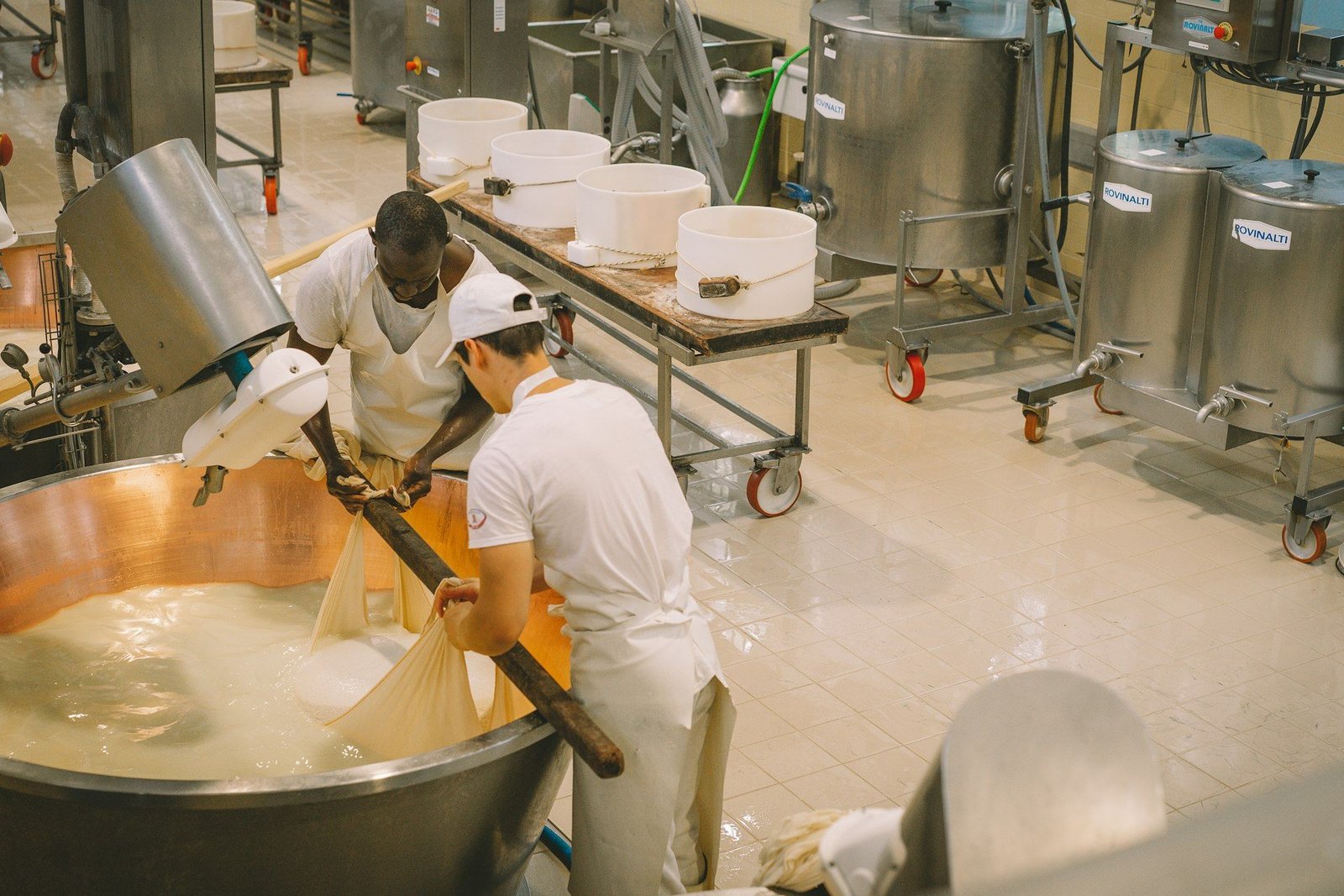
A production team at work in a food plant
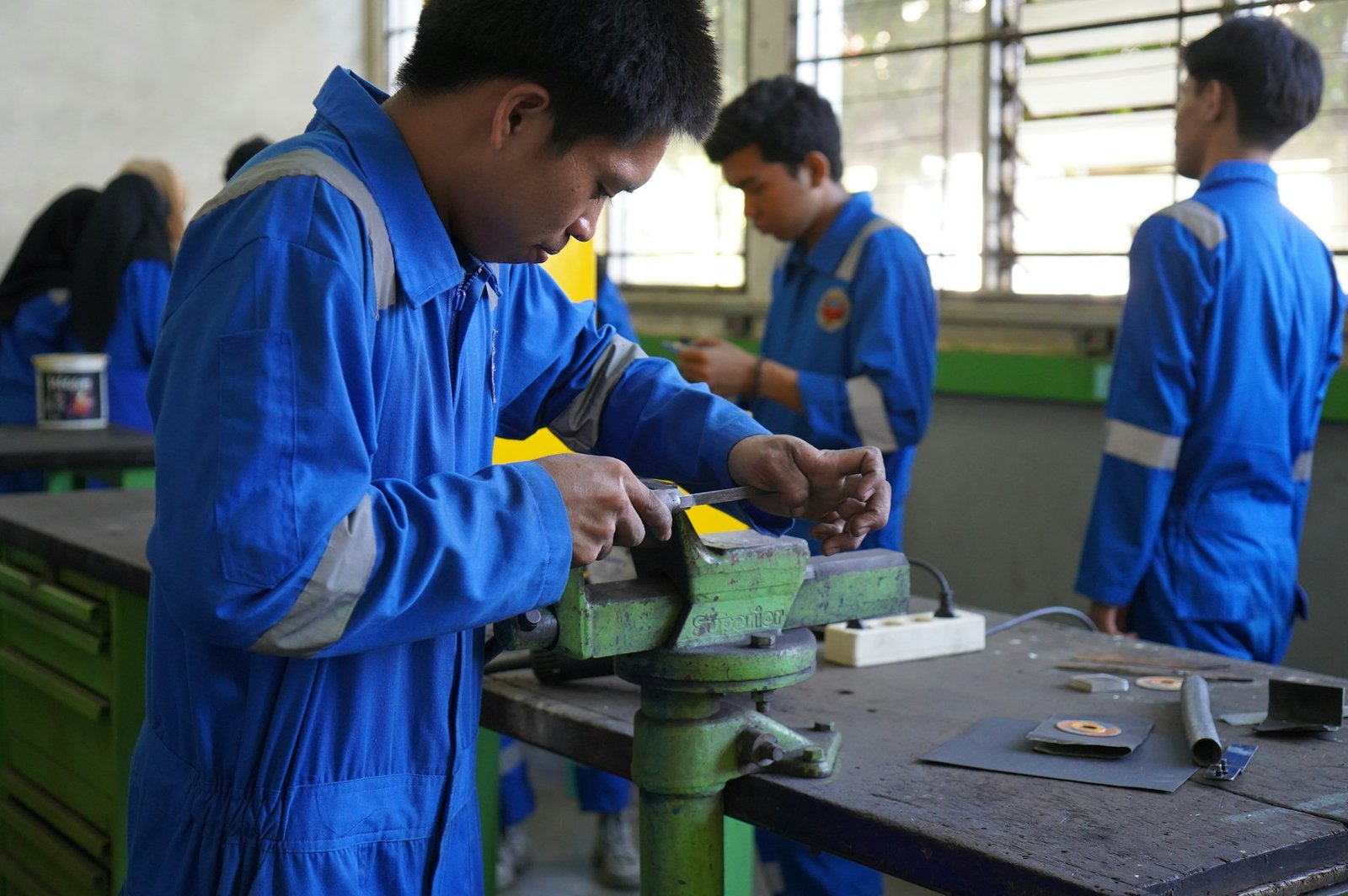
Trainees and their supervisor in a metal workshop
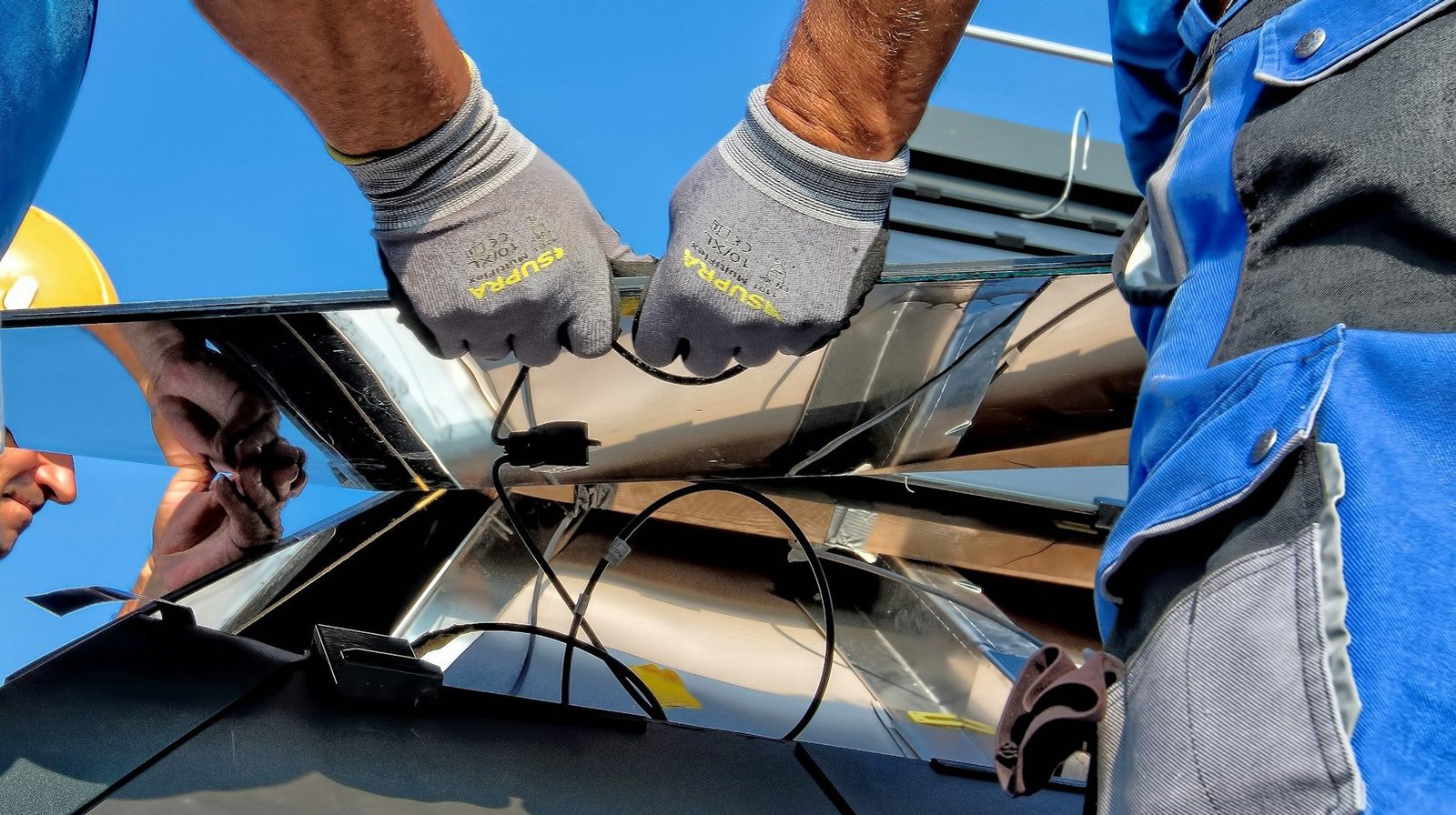
Two installers fitting solar panels together
A start-up team at work together
Returnee crews at an on-site training briefing
Photography: Unsplash contributors, Unsplash License

Where Technology Speeds Up Reintegration and Production

New tools are shortening the road from raw material to finished product to market. GHCRI coaches bring them home with every returnee team, so a return starts with the methods that work today.

Innovation

We do more than support returnees. We lead the innovation behind their success.

A business that starts with yesterday's methods starts behind. GHCRI follows the tools and techniques that are changing how goods are grown, made, packed and sold, and puts them in the hands of returnees from their first day home. That is the real foundation for success: not capital alone, but the know-how to use it well.

Process at home what the country produces

Raw materials leave cheap and come back expensive. Modern processing keeps that value, and the jobs that come with it, where the harvest is.

Less waste, more to sell

Cooling, drying and better packing mean less of each harvest is lost before it reaches a buyer.

Tools sized for a growing business

Many of these methods now come in modular forms that a small team can run, maintain and expand step by step.

From raw material to market, faster

Innovations returnees can put to work

Eight areas where today's tools shorten the road to market and help a small business earn more from what it makes. Each is matched to real demand in the home country.

A packing-line team processing fresh produce
Agro-processing

Compact processing lines and the cold chain

Small washing, sorting, cutting and packing lines, linked to cold rooms and refrigerated transport, turn fresh harvests into products ready for shops and supermarkets.

Why it pays

Produce is processed within hours instead of days, keeps far longer and sells as a finished product rather than a raw one.
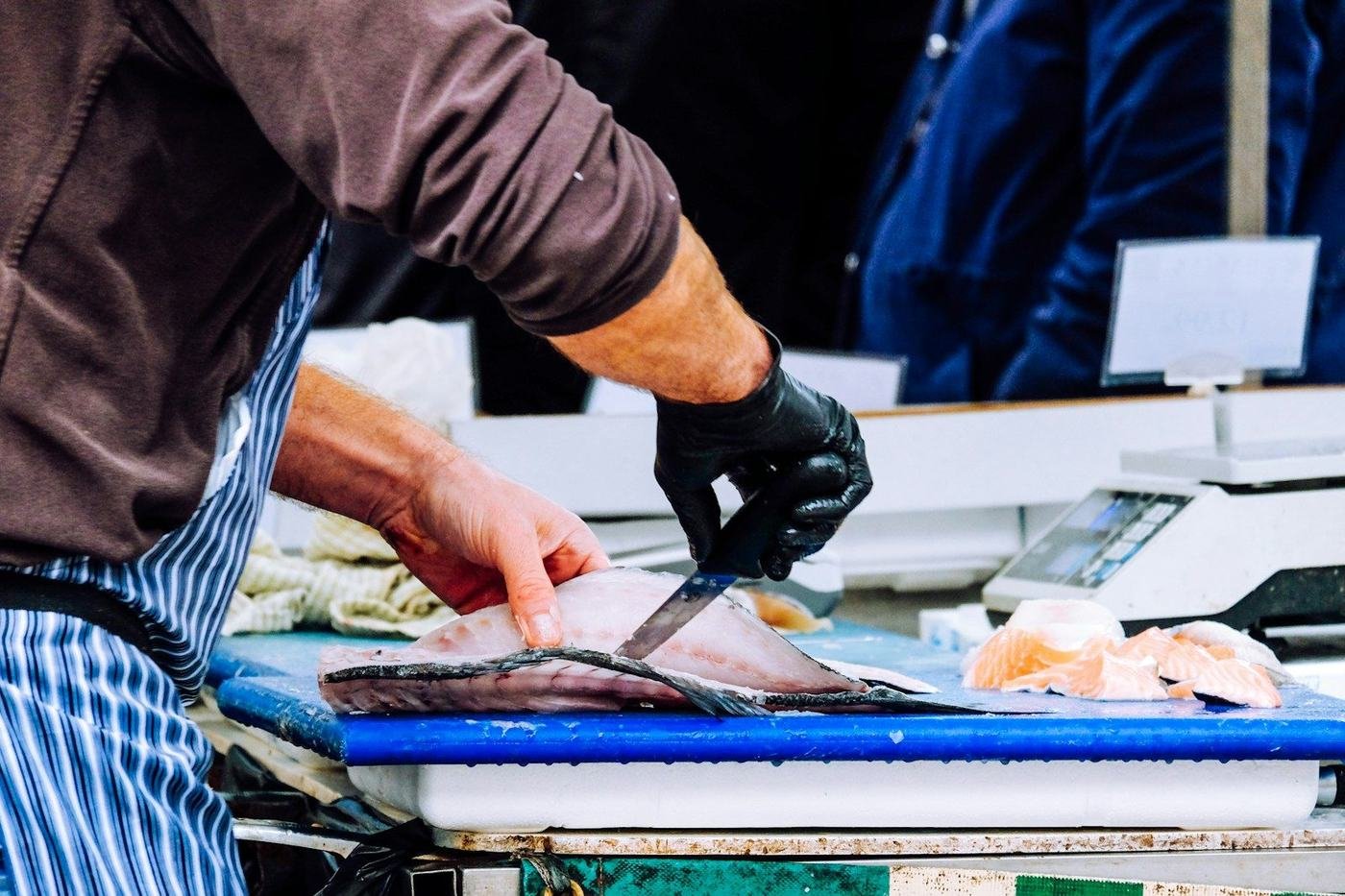
A fish processor filleting the day’s catch
Aquaculture

Smarter fish farming, from pond to pack

Water-quality sensors, automatic feeders and on-site processing and packing let a fish farm watch its stock around the clock and deliver cleaned, chilled fish to buyers.

Why it pays

Healthier stock, less feed wasted, and fish sold fresh and ready to cook instead of at the lowest price on the shore.

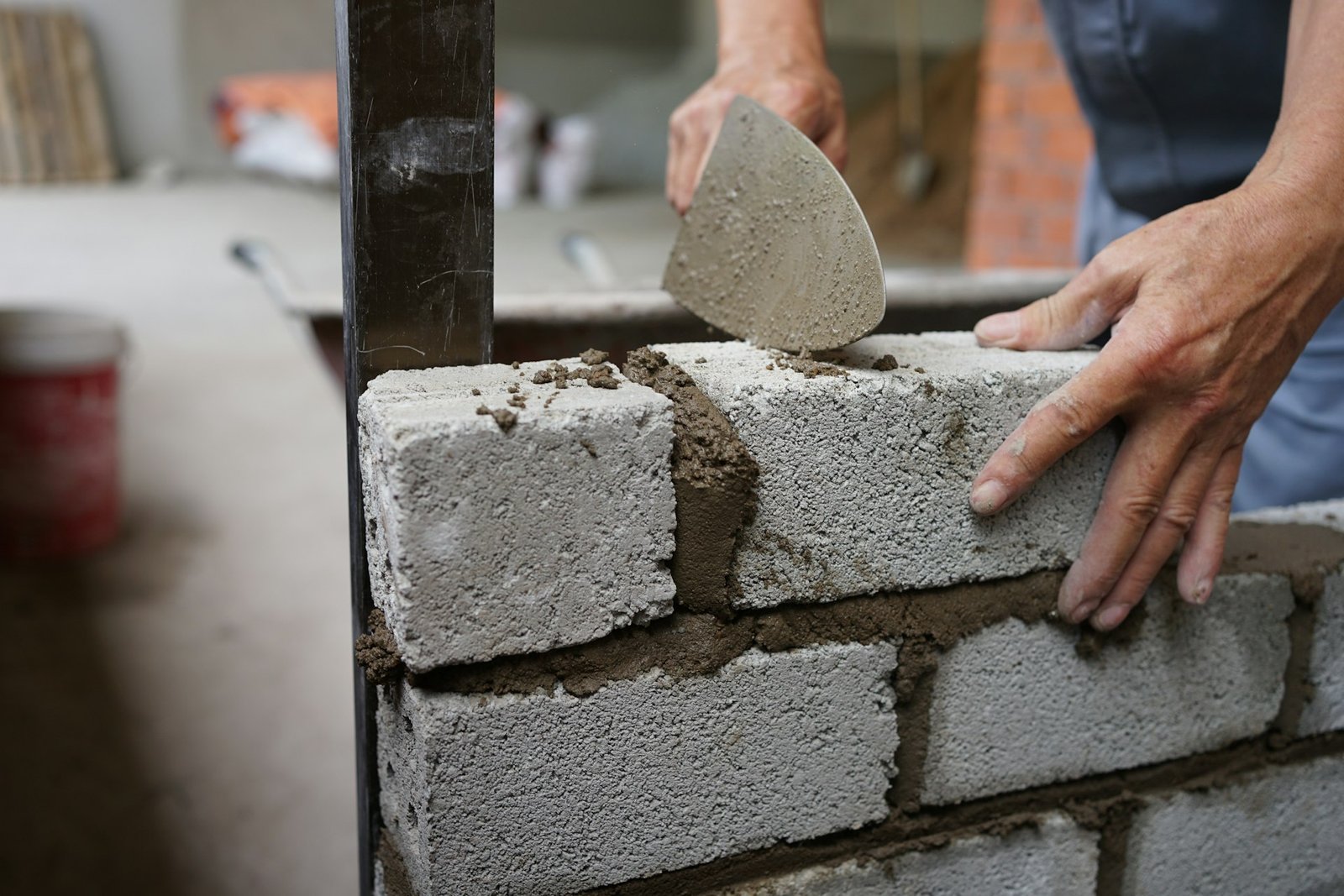
A mason laying a block wall
Construction and energy

Faster, stronger building

Prefabricated and modular components, compressed earth blocks pressed from local soil, and solar micro-grids that power a building site or a whole neighbourhood.

Why it pays

Homes and workshops go up in less time with local materials, and reliable power keeps the machines running when the grid does not.

A shop owner taking a payment on a tablet at her counter
Digital finance

Mobile payments and digital bookkeeping

Phone-based payments, simple point-of-sale tablets and bookkeeping apps record every sale, every stock movement and every repayment as it happens.

Why it pays

Customers pay in seconds, less cash is kept on hand, and the owner always knows the numbers that lenders and buyers ask to see.

A business owner packing an order for shipment
Trade

E-commerce and export logistics

Online storefronts, marketplace listings, barcode labels and shared warehousing connect a small producer with buyers in the city, the region and the diaspora abroad.

Why it pays

Orders arrive before the goods are made, stock moves faster, and fewer middlemen take a share of the price.

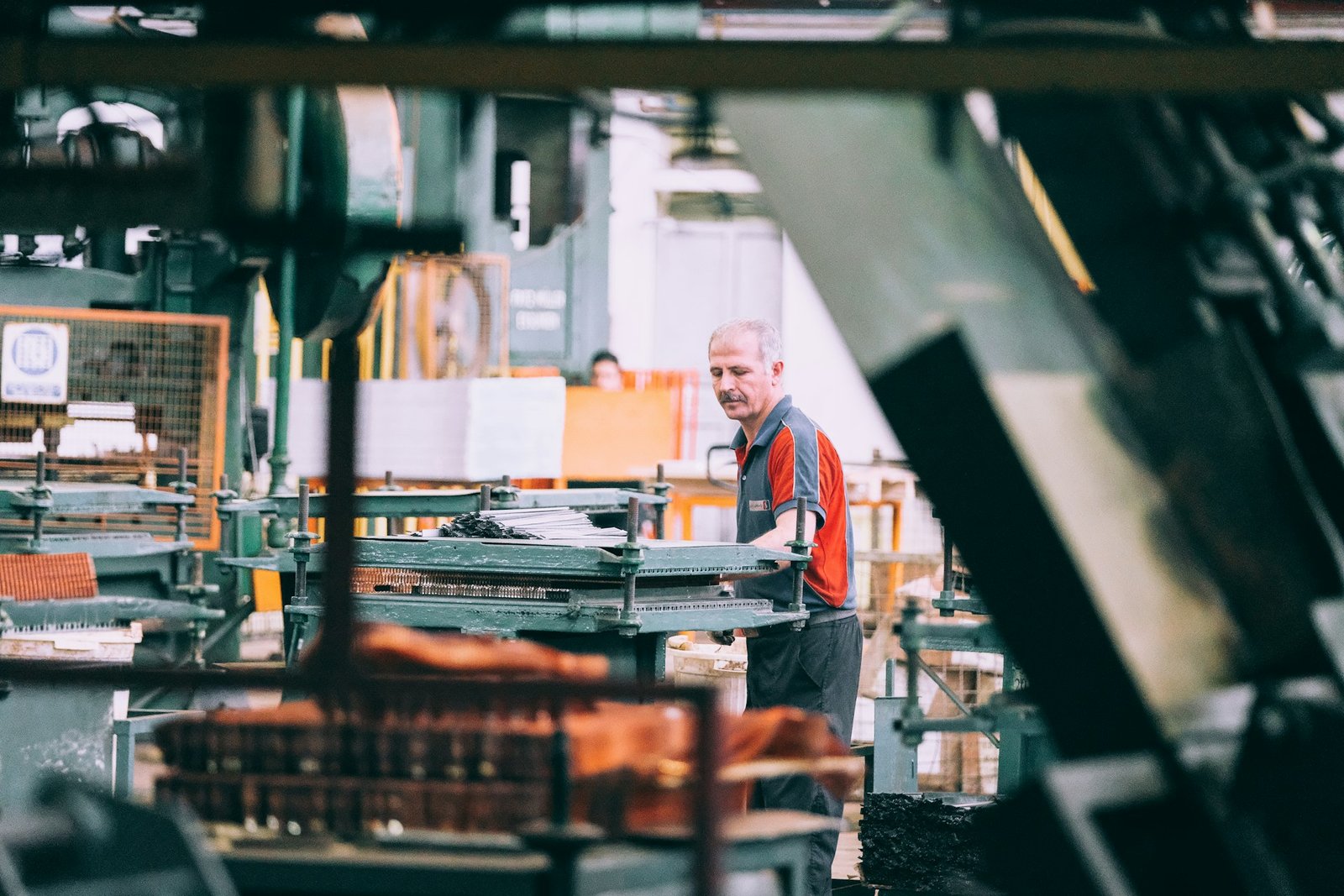
An operator running production machinery
Manufacturing

Small-scale manufacturing with CNC machines and 3D printing

Computer-controlled cutting and milling machines and 3D printers make furniture parts, spare parts, moulds and tools locally, to a precise design.

Why it pays

Parts that once had to be imported are made on site, and a workshop can accept custom orders that others turn away.

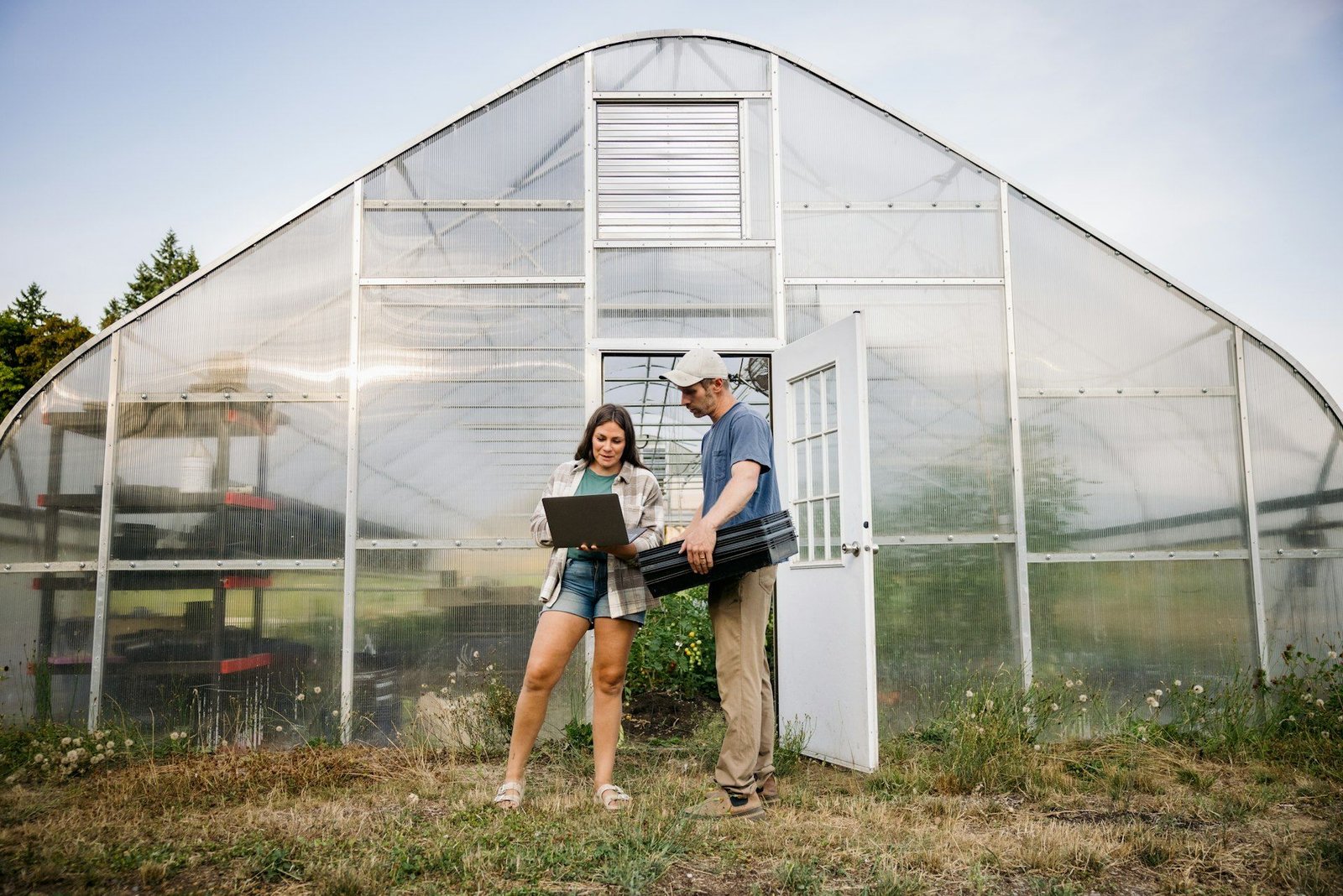
Two growers checking crop data on a laptop at their greenhouse
Precision tools

Drones and precision tools

Drones, soil and moisture sensors, and mapping apps show a grower or a builder exactly where to act: which field needs water, which crop is ready, where a site boundary runs.

Why it pays

Water, seed and fertiliser go only where they are needed, problems are caught early, and surveys take a fraction of the time.

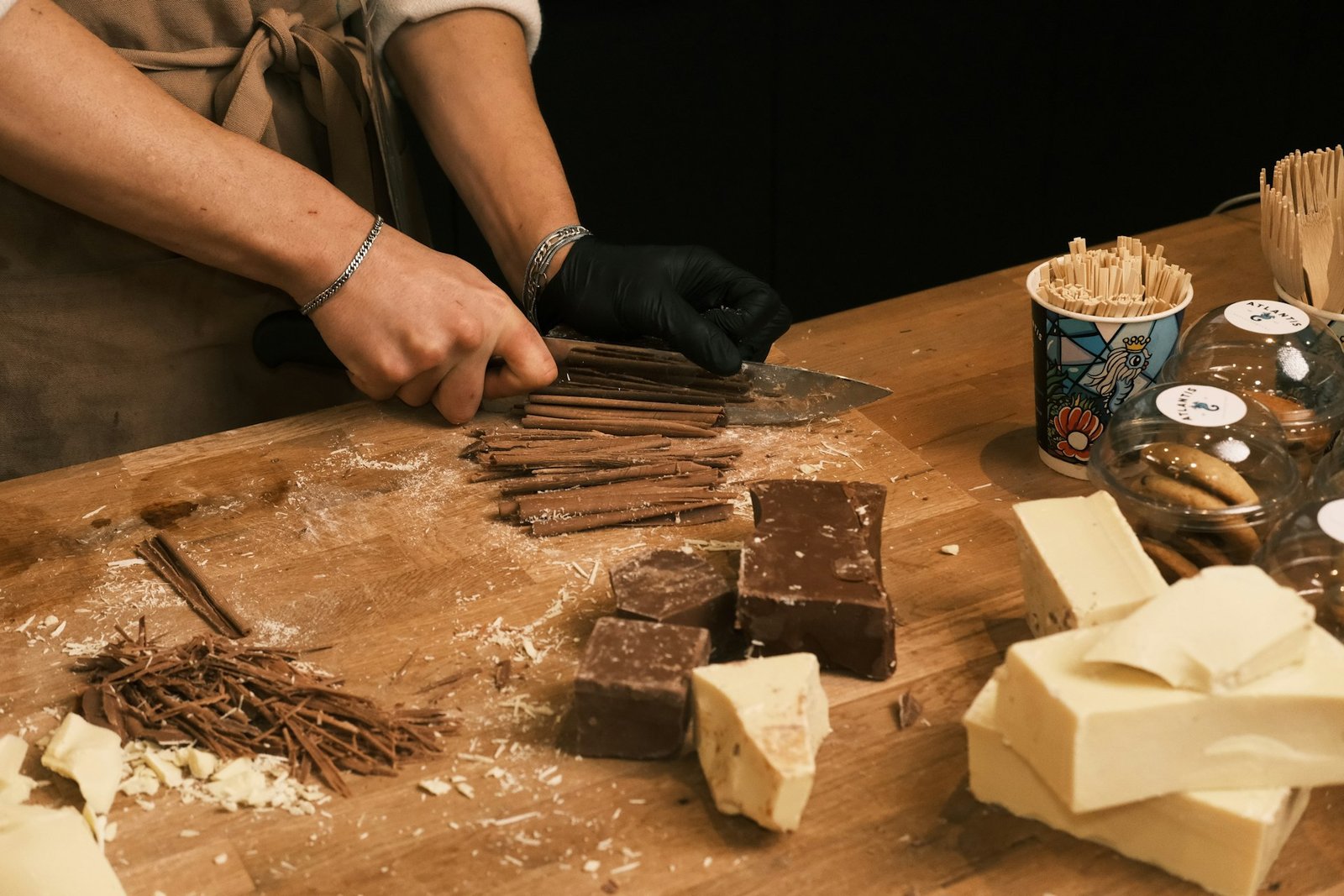
A chocolatier turning locally grown cocoa into finished chocolate
Food preservation

Solar drying and food preservation

Solar dryers, efficient roasters and vacuum sealing turn fruit, grain, coffee, cocoa and fish into products that keep for months and travel well.

Why it pays

Seasonal surpluses become year-round income, and a dried, roasted or sealed product sells for more than the raw harvest.

These are examples, not endorsements of any product or supplier. Coaches recommend tools case by case, according to the business plan, the local market, and what can be maintained and repaired locally.

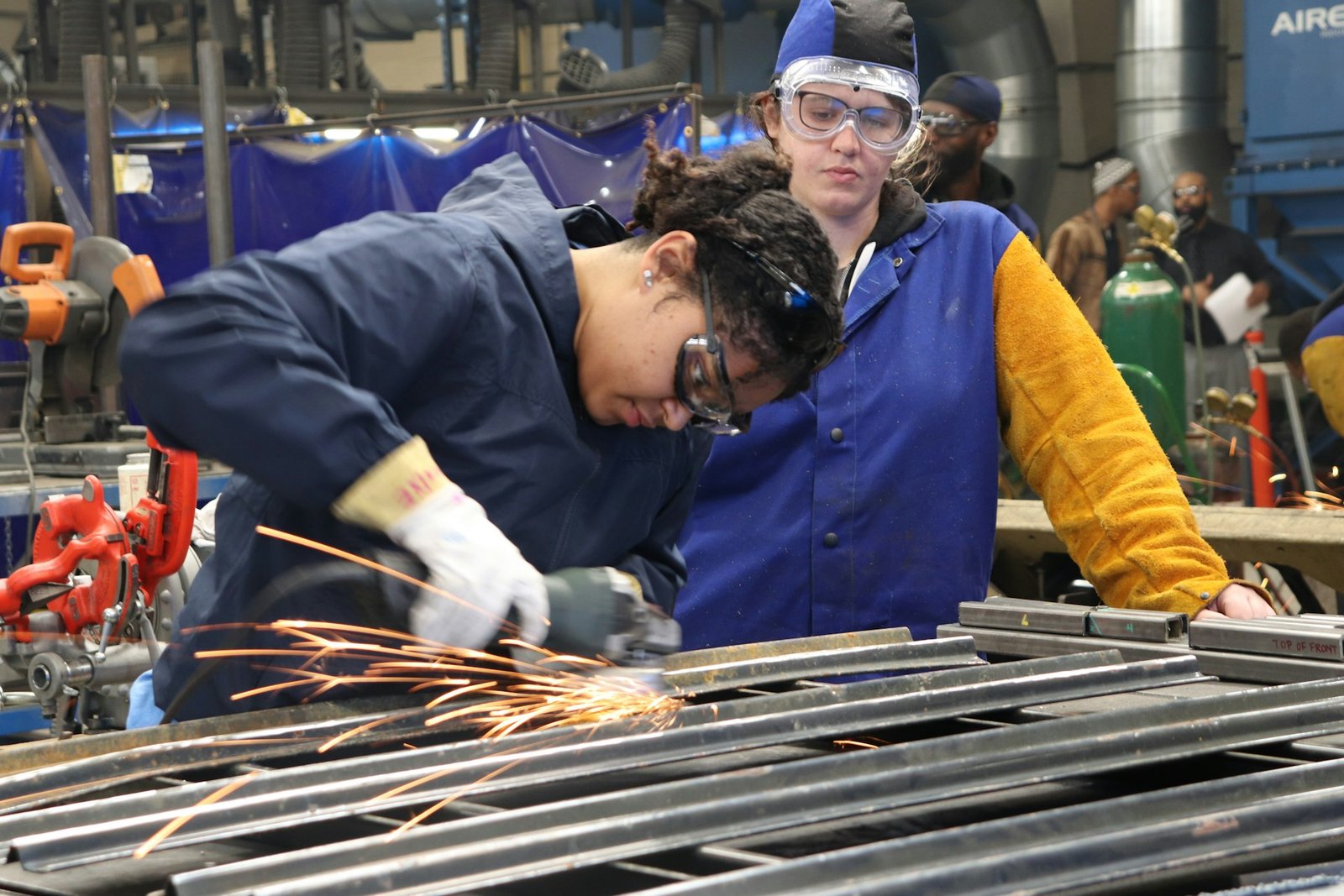
An instructor coaching a trainee in a metal workshop
How coaches bring it home

Introduced on site, one project at a time

Returnees do not learn these methods from a brochure. A GHCRI coach works beside each team on the real project: the first production run, the first export order, the first season with new equipment, until the new way of working becomes the normal way.

Many returns have struggled because people went home with outdated methods and no one to call. GHCRI returnees start with both: modern tools and a coach who knows how to use them.

Become a GHCRI coach

How a new method takes root

  1. Match the tool to the plan

    Coach and returnees choose the methods that fit the business plan, the local market and the budget. No technology for its own sake.

  2. Learn it hands-on

    Training happens on the equipment, at the site, with the team that will run it every day.

  3. Run it and measure it

    The coach stays close through the first production cycles and helps fix whatever is not working yet.

  4. Pass it on

    Each team that masters a method shows the next one, through the GHCRI returnee network.

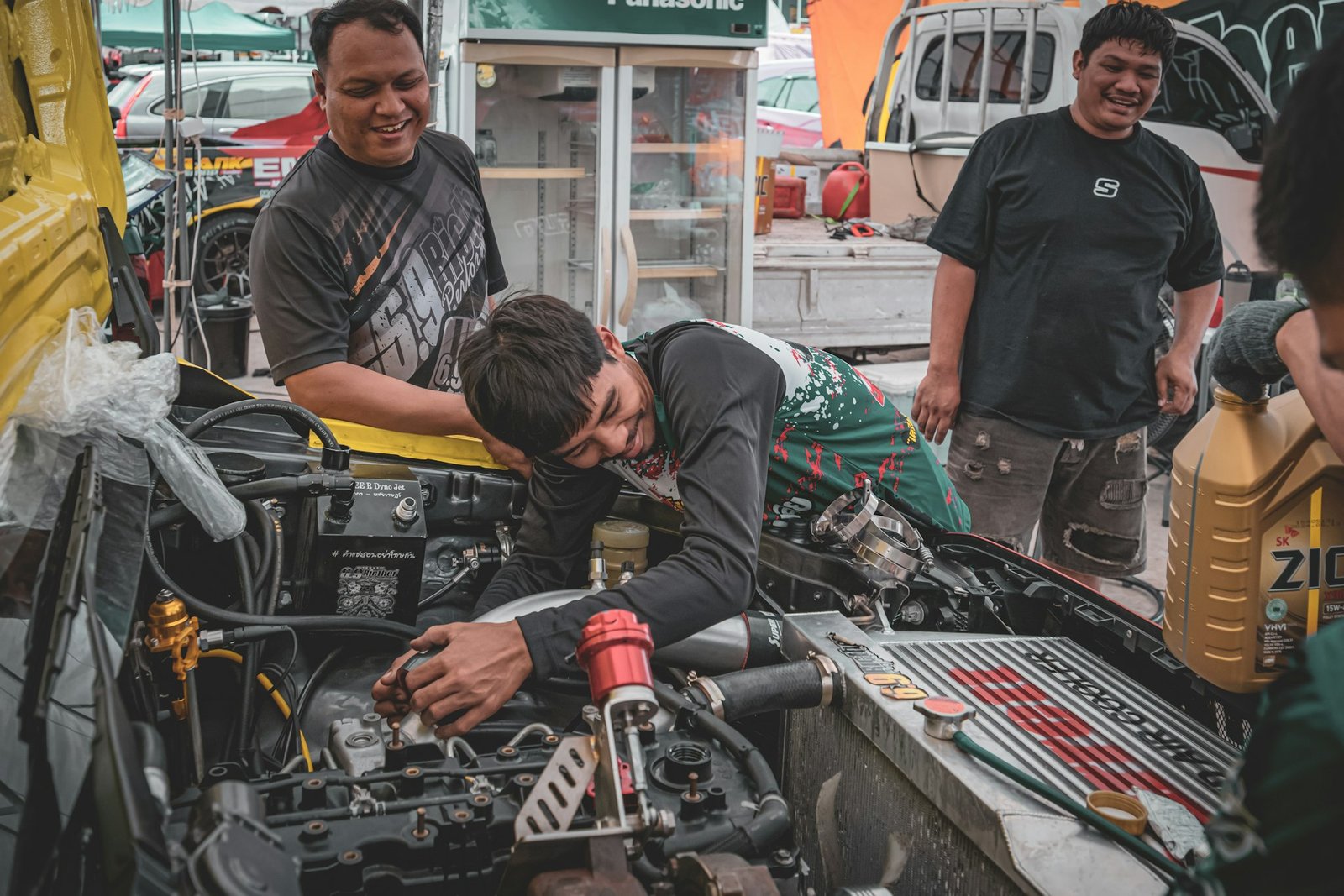
A repair-shop owner and his mechanics servicing an engine together
Returnees hiring returnees

Every business becomes an employer

Faster production brings more orders, and more orders need more hands. Returnee businesses hire one another's skills, buy from one another and share equipment, and they take on local people as staff and apprentices.

That is how one return becomes many livelihoods. When good work exists at home, young people have a real choice: to build their future where they are, rather than risk a dangerous journey abroad.

Read success stories
GHCRI leads the innovation

More than support: a foundation for lasting success

Capital opens the door; know-how keeps it open. GHCRI does not stop at funding a business. We guide how it works, and we keep looking ahead on behalf of every returnee team.

We scout what works

We follow new tools and methods in processing, building, energy, logistics and finance, and look for those proven in conditions like the ones at home.

We share equipment and know-how

Through cooperatives and joint enterprises, returnees share machines, cold rooms and transport that one small business could not carry alone.

We work with industry and training partners

We seek partnerships with manufacturers, technical schools and universities, so returnees can train on modern equipment and keep it serviced locally.

Every lesson goes back into the network

What one team learns, the next team starts with. Our coaches carry each improvement from project to project and from country to country.

Bring your skills home, and help shape what comes next

Whether you are planning a return, bring expertise from a modern trade or industry, or want to help fund the tools a returnee team needs, there is a place for you in this work.

We turn challenges into opportunities.

And we make what once seemed impossible, possible.