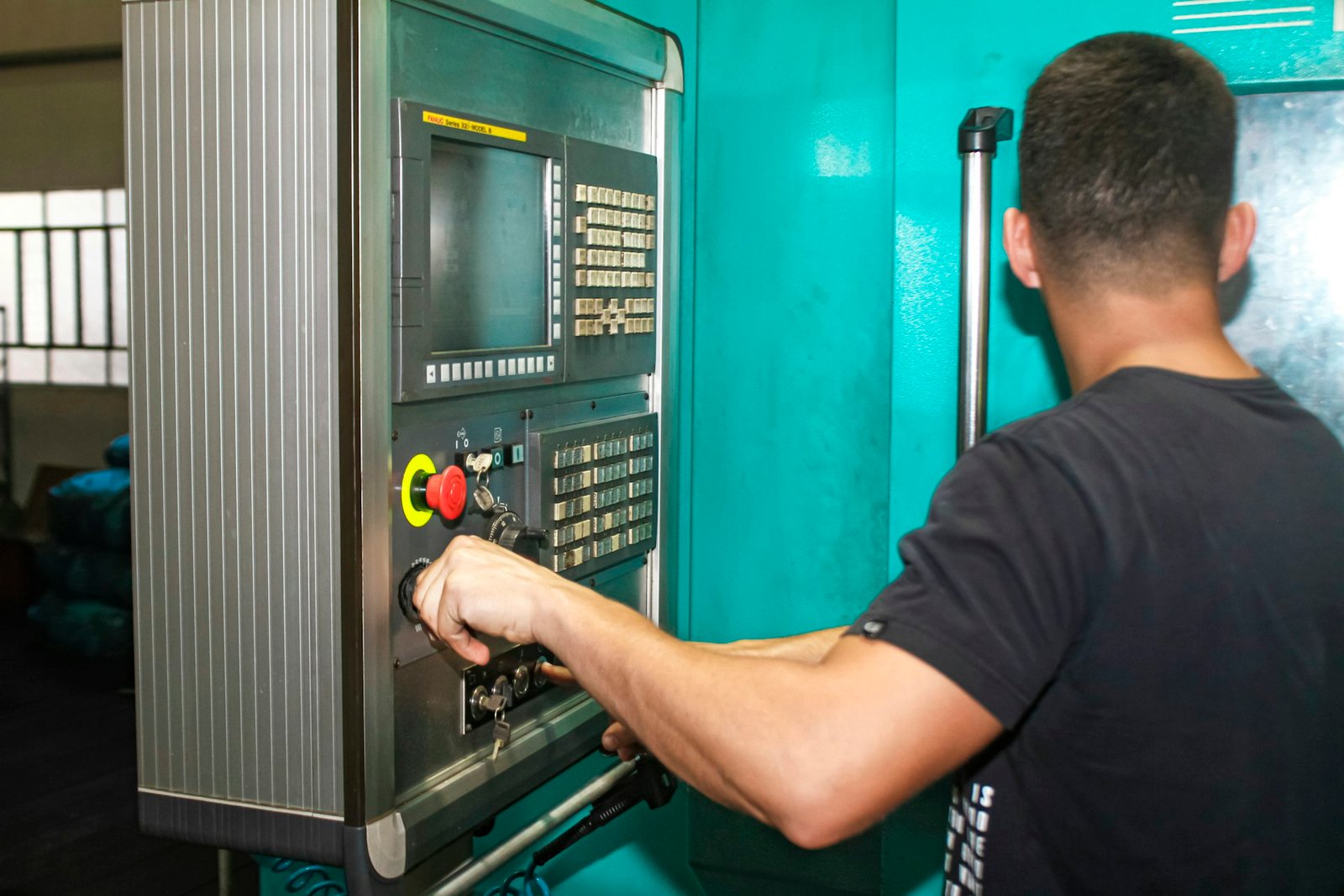
Chapter 3: Winning Strategies in a Competitive World
How returnee founders study their market, choose a clear position and build businesses that compete and last.
Chapter 3 · 10 lessons
About this chapter
Every market has competitors, and every competitor leaves openings for a founder who prepares well. This chapter shows how to read your market, choose how you will win, and use innovation, added value, digital channels and partnerships to grow. It closes with illustrative examples of returnee-led businesses that bring these strategies together.
Global Human Capital Reinsertion Initiative AssistantAnswers in 4 languages
Common questions
Typed questions may be sent to our assistant service to answer. Please don't share personal details. Information only, not legal advice.
Your estimated pathway
A founder's return
Skills → Certification → Business
Training trackSmall-business launch
CertificationExperience-based
Relocation supportTravel + arrival + housing
Startup capital range$30,000 – $50,000
Local partner & mentorIn your home region
CoachingFree for your first 4 weeks
Program estimates, not promises — and not legal advice. A free legal-aid attorney can tell you what applies to you; we always help you find one first.
Optional · Minimal · Deletable anytime
Remain in contact, on your terms
🔒 Used only so a Global Human Capital Reinsertion Initiative guide can share updates with you. Never sold, never shared with enforcement, deletable with one message.
Please add a name, or close — no pressure either way.
🌅
Done.
What happens next
Considering a return
A return should be a launch, not a restart. If you are weighing a return home, the Global Human Capital Reinsertion Initiative helps you arrive as a founder, with the skills you mastered abroad recognised and put to work.
What you receive
Certification of the skills you gained through years of real work abroad, a business plan and financial literacy.
Relocation with dignity: travel, temporary housing and a local partner waiting at arrival.
A personal coach, free for your first four weeks at home and for as long as you choose afterwards.
A coordinator in your region who follows your progress and keeps you on target.
Startup capital from a revolving fund, between $30,000 and $50,000, repaid as the business grows. Your repayment funds the next returnee’s rise.
The six stages
Explore anonymously
Check your options
Enrol voluntarily, after speaking with free legal aid
Train and certify
Relocate with dignity
Launch, hire and repay
Browsing is anonymous: no account, no tracking. Participation is entirely voluntary, we do not share individual participant information with enforcement agencies, and we encourage every person to consult a qualified immigration attorney before deciding.
Coaches are the difference between quitting and rising. Our coaches are returnees who came home, applied the skills they mastered abroad and built enterprises that create jobs. They bring proof that it can be done, and the newest tools and methods that make it faster.
How it works
Succeed at home with an enterprise that works.
Apply, telling us about your business, your expertise and your results.
Orientation in our method and innovation toolkit.
Coach returnees in your sector — on site, in workshops or online.
Your public profile goes live, with a link to your own website.
What coaches gain
A public profile seen by returnees, partners and investors.
Recognition as a leader of innovation in your sector and country.
A network of coaches and enterprises across countries.
Coordinators are our eyes and hands on the ground — the dream stays alive because of you. In the United States or in home countries, each coordinator walks with a small cohort of returnees.
What coordinators do
Check progress and keep each returnee on target.
Support loan repayment, so the fund can serve the next founder.
Connect returnees with forums, groups and associations where they lift one another.
Help prepare the first ninety days: documents, banking, housing and a written plan.
Where we are recruiting
United States, Mexico and Central America, the Caribbean including Haiti, South America, Africa, Asia and Europe.
Supported reinsertion builds businesses, jobs and stability, and the fund revolves: repayments serve the next participant. A grant is spent once; a reinsertion loan is repaid and lent again, launching founder after founder.
Frameworks for partnership
Pilot cohorts and matched funds.
Training and certification partnerships.
Reception agreements with home countries.
Co-measured pilots alongside existing return programmes.
Accountability
Targets are stated in advance and results are published beside them every quarter — participants, enterprises, jobs and repayment — with sources and shortfalls shown.
Returnees come home with specialised knowledge from the world’s industrial economies. With capital and coaching, that knowledge turns raw materials into finished products for local and export markets — the path developed nations took toward real financial independence.
What a home country gains
New employers, new tax revenue and export capacity.
Processing at home: what a country grows, it can also process, pack and sell.
Enterprises that hire local young people as apprentices, giving them a reason to build their future at home.
How you can welcome returnees
A warm reception and practical help in the first weeks.
Resources allocated to returnee enterprises in anchor sectors.
Reception agreements and joint measurement of results.
Your gift becomes a loan, launches a business, and is repaid to serve the next founder.
$50 covers a business-plan workshop.
$100 certifies a returnee’s skills.
$500 seeds part of a startup loan.
Volunteer
Outreach and community, legal aid networks, training and certification, fundraising and partnerships, media and translation, technology. Founding volunteers receive first consideration for paid roles as they open.
Your details are used only to return your call. We do not share individual information with enforcement agencies.
Winning Strategies in a Competitive World · Lesson 1
Know the Market: Competitors, Strengths and Customers
Every winning strategy begins with an honest picture of the market you are entering. Before you buy equipment or sign a lease, you need to know who already sells what you plan to sell, at what price, through which channels and to which customers. Returnees often carry a picture of home that is several years old. Prices, roads, suppliers, payment habits and buyer expectations may all have moved on. A short, disciplined market study protects your capital and your time, and it gives your coach and coordinator a shared basis for advising you.
Start with competitor mapping. List every business that serves the same customer need, not only the ones that sell the same product. If you plan to sell packaged attieke to supermarkets, your competitors include other attieke packers, rice and pasta brands on the same shelf, and the women who sell fresh attieke in the market. For each competitor, record their product range, price per unit, packaging, delivery reliability, payment terms and reputation. Visit their outlets in person, buy their products, and talk to the shopkeepers who stock them. Shopkeepers will usually tell you what sells, what returns, and what is missing.
Next, complete a SWOT analysis for your own planned business: Strengths, Weaknesses, Opportunities and Threats. Strengths and weaknesses are internal. They include your skills, your capital, your team and your network. Opportunities and threats are external. They include new roads, rising demand from urban households, changes in import prices, seasonal shortages and new competitors. Be specific. Writing "good quality" as a strength means little; writing "food-safety training and hygienic processing experience gained in a European factory" means a great deal, because it tells you exactly what to build your offer around.
Finally, divide your customers into segments. A segment is a group of buyers who share the same needs, budget and buying habits. A fish farmer, for example, may serve restaurants that want steady weekly volumes, supermarkets that want cleaned and frozen portions with labels, and households that buy fresh fish at the weekend. Each segment needs a different product format, price and sales approach. Choose one or two segments to serve first, rather than trying to please everyone. Focus lets a small business serve its chosen customers better than larger competitors can.
Step by step
List at least ten businesses that meet the same customer need you plan to meet.
Visit or buy from at least five of them and record price, quality, packaging and service.
Interview three to five shopkeepers, distributors or buyers about what sells and what is missing.
Write a one-page SWOT analysis with specific, evidence-based points.
Define two or three customer segments and describe each in a short paragraph.
Choose the segment you will serve first and explain why.
Enter your findings in the Market Study tool and share them with your coach.
Key takeaways
The market at home may have changed since you left; verify it before you invest.
Map every business that meets the same customer need, not only identical products.
A specific SWOT analysis tells you what to build your offer around.
Serve one or two clear customer segments first, and serve them very well.
Practice exerciseSpend one day in the market where your product will be sold. Buy three competing products, photograph their packaging and prices, and ask two shopkeepers what their customers complain about most. Write down the single biggest gap you found. Open the free research tools
Check your understanding
Why should a returnee verify the market before buying equipment?
Which item belongs in the 'Opportunities' part of a SWOT analysis?
What is a customer segment?
Winning Strategies in a Competitive World · Lesson 2
Positioning: Choosing How You Will Win
Positioning is the decision about why a customer should choose you instead of anyone else. There are three classic ways to win. You can be the lowest-cost reliable supplier, you can offer something clearly different and better, or you can serve a focused niche more completely than anyone else. Most failed small businesses never make this choice. They copy what neighbours sell, at the same price, with the same quality, and then compete only by cutting margins. A clear position guides every later decision, from the equipment you buy to the words on your label.
Cost leadership means producing at a lower cost than competitors while keeping quality dependable. It suits businesses where buyers compare mainly on price, such as building materials, staple foods or bulk supplies to institutions. To win on cost, you need efficient equipment, steady volumes, low waste and tight purchasing. A returnee running a concrete block yard might use a modern vibrating press that produces stronger, more uniform blocks with less cement and fewer breakages. The saving can be shared with customers through a slightly lower price while still leaving a healthy margin for the business and its repayments.
Differentiation means offering something customers value enough to pay more for: better taste, longer shelf life, safer packaging, faster delivery, a warranty or after-sales service. A juice processor who pasteurises and bottles fruit in sealed, labelled bottles with a clear expiry date offers something very different from loose juice sold in reused containers. Differentiation must be real and visible. Customers should be able to see, taste or experience the difference immediately. It must also be defended over time through consistent quality, because a promise broken once costs far more than it ever earned.
A focused niche means serving one specific group extremely well. It might be hotels that need daily fresh fish fillets, schools that need uniforms delivered on time, or rural households that need small solar kits with installation and repair. A niche business knows its customers by name, adapts quickly and builds strong loyalty. Whichever position you choose, write it in one sentence: "We are the supplier of [product] for [customer] who value [benefit], because we [proof]." Test that sentence with real buyers. If they do not respond with interest, refine it before you invest further.
Step by step
Review your Market Study findings and note how competitors currently compete.
Decide which of the three positions fits your skills, capital and market best.
Write your positioning sentence using the template in this lesson.
List the three investments or habits that will make your position believable.
Test the sentence with at least five potential buyers and record their reactions.
Record your chosen position in the Business Planner so it guides pricing and marketing.
Key takeaways
Choose one clear way to win: lower cost, real difference, or a focused niche.
Cost leadership needs efficient tools, steady volume and low waste.
Differentiation must be visible to customers and protected by consistent quality.
Write your position in one sentence and test it with real buyers.
Practice exerciseWrite your one-sentence positioning statement, then read it aloud to three potential customers. Note which word or promise made them most interested, and which part they questioned. Rewrite the sentence once based on what you heard. Open the Business Planner
Check your understanding
Which business is best suited to cost leadership?
What must be true for differentiation to succeed?
What is the main risk of having no clear position?
Winning Strategies in a Competitive World · Lesson 3
Innovation as the Foundation
Innovation is not reserved for laboratories and large corporations. For a returnee founder, innovation means using better tools and methods to move faster from raw material to finished product to paying customer. A cassava processor who replaces hand grating with a motorised grater and a hydraulic press can turn the same harvest into a finished product in a fraction of the time, with more consistent quality. That speed reduces spoilage, increases output per worker and lets the business accept larger orders. Innovation is the foundation of every strategy in this chapter, because it is what makes lower cost or higher quality possible.
Look for innovation at three points in your business. First, at the raw material stage: better seed, improved fingerlings for fish ponds, moisture meters for grain, or cold storage that extends the life of fresh produce. Second, at the processing stage: small-scale machines for drying, milling, pressing, sealing, cutting or welding. Third, at the market stage: digital ordering, mobile payments, delivery tracking and simple inventory software. Often the biggest gains come from small, affordable improvements, such as a solar dryer for fruit, a vacuum sealer for fish portions or a laser level for a construction crew.
Many returnees have already seen these tools at work in their host countries. You may have operated machinery in a food plant, used scheduling software on a construction site or watched a warehouse run on barcode scanning. That experience is valuable. The task now is to adapt it to local conditions: available power, spare parts, repair skills, climate and the budget available within startup capital of $30,000 to $50,000. Prefer equipment that local technicians can service, that runs on available power or solar, and that a trained team member can operate safely every day.
Innovation must also be measured. Before you introduce a new tool, record how long the task takes, how much material is wasted and how many units you produce. After the change, measure again. This simple discipline shows whether the investment is working and gives your coordinator clear evidence for progress reports. The Innovation chapter of the Global Human Capital Reinsertion Initiative resources describes tools and approaches by sector, and Prototype Studio helps you plan a new product or improved process, step by step, before you spend money on it.
Step by step
Draw your process from raw material to customer as a simple chain of steps.
Mark the slowest, most wasteful or least consistent step in the chain.
Research two or three tools or methods that could improve that step.
Check power needs, spare parts, local repair skills and total cost for each option.
Measure time, waste and output before introducing the chosen tool.
Introduce the tool, train the team and measure the same figures again.
Share the before-and-after results with your coach and coordinator.
Key takeaways
Innovation means better tools that speed raw material to product to market.
Look for improvements at the raw material, processing and market stages.
Adapt what you learned abroad to local power, parts, climate and budget.
Measure before and after so every investment proves its value.
Practice exerciseMap your production process in five to eight steps. Circle the slowest step, then use the Innovation chapter to find one tool that could speed it up. Write down its likely cost, power needs and who could repair it locally. Read the Innovation chapter
Check your understanding
What does innovation mean for a returnee founder in this lesson?
Which is an example of innovation at the market stage?
Why should you measure before and after introducing a new tool?
Winning Strategies in a Competitive World · Lesson 4
Adding Value Locally: From Raw Goods to Branded Products
Selling raw goods is often the simplest business to start, but it is rarely the most rewarding. Raw cassava, whole fish, unsorted fruit or unprocessed grain are sold at prices set by the market, with little room for a margin and a high risk of spoilage. Adding value means transforming those goods locally into products that customers will pay more for, such as attieke, smoked or frozen fish portions, dried mango slices, packaged flour or bottled juice. Each step of processing creates local jobs, extends shelf life and gives the business more control over its price and its customers.
There are three main layers of added value. Processing changes the product itself: cleaning, cutting, drying, milling, cooking, freezing or pressing. Packaging protects the product and makes it easy to transport, store and sell: sealed bags, jars, bottles, cartons or vacuum packs. Branding gives the product a name, a look and a promise that customers learn to recognise and trust. A poultry business that sells live birds at the roadside operates in a very different market from one that sells cleaned, chilled and labelled chicken portions to supermarkets and hotels.
Adding value also brings new responsibilities. Processed food must meet hygiene and safety standards, and packaging must carry accurate information such as ingredients, weight, production date and expiry date. Buyers such as supermarkets will expect consistent quality, regular deliveries and proper invoices. Plan for these requirements from the start. Design a clean processing space with a logical flow from raw material to finished product, train every team member in hygiene, and keep simple production records. These habits protect your customers and make your business attractive to larger buyers.
Start with one value-added product and do it very well before expanding. Calculate the full cost per unit, including raw material, labour, energy, packaging, transport and loss, and compare it with the price buyers are willing to pay. If the margin is healthy, build volume. If it is thin, look for savings or a better-paying segment. Prototype Studio can help you design the product and its packaging, and the Business Planner helps you test the numbers before you commit capital to equipment.
Step by step
List the raw goods available in your area and what they currently sell for.
Identify two or three processed products that could be made from them.
Check which processed products buyers already purchase and at what price.
Calculate the full cost per unit for your preferred product.
Design packaging that protects the product and carries accurate labelling.
Plan a hygienic workspace with a clear flow from raw material to finished goods.
Produce a small trial batch and test it with real buyers before scaling up.
Key takeaways
Processing, packaging and branding turn raw goods into higher-value products.
Added value creates local jobs, longer shelf life and more control over price.
Value-added products bring standards for hygiene, labelling and consistency.
Master one product and its numbers before adding more.
Practice exerciseChoose one raw product from your region. Write down three ways to add value to it, then calculate the full cost per unit of the most promising option. Compare it with the price of similar products on local shelves. Open the free tools
Check your understanding
Which is an example of adding value locally?
What are the three main layers of added value described in this lesson?
What should a founder do before scaling up a new value-added product?
Winning Strategies in a Competitive World · Lesson 5
Digital Sales Channels
Customers in every region now discover, compare and pay for products on their phones. Mobile money, social media and online marketplaces have opened sales channels that were once available only to large companies. A small fruit processor can now take orders through a messaging app, receive payment by mobile wallet and deliver the same day. A solar installer can show finished projects on social media and receive enquiries from towns hundreds of kilometres away. Digital channels do not replace good products and reliable service, but they let a small business reach many more customers at a much lower cost.
Mobile payments are the first priority. Register a business account with the mobile money services and banks your customers use most, and display the payment details clearly on invoices, packaging and your shop. Digital payments reduce the risk of holding cash, speed up collection and create an automatic record of every sale. That record is valuable: it shows your coordinator how the business is growing and supports your repayments into the revolving fund. Keep business and personal accounts strictly separate so that every figure in your records is clean and easy to verify.
Social selling means using social media and messaging apps to build relationships with buyers. Create a business profile with clear photos of your products, your prices or price ranges, your location and your opening hours. Post regularly: new batches, behind-the-scenes production, customer deliveries and finished projects. Reply to every message quickly and politely. Many customers decide to buy based on how fast and how professionally a business responds. Short videos showing hygiene, quality checks or the work of your team build trust that no advertisement can buy.
Online marketplaces and delivery platforms can carry your products to customers you could never reach alone. Before you list, check the platform's fees, delivery terms, return policies and payment timelines, and include them in your price. Start with a small range of your best-selling products and make sure you can fulfil orders reliably. The Returnee Business Suite helps you track orders, stock and payments across channels, so that growth in digital sales never outpaces your ability to deliver on every promise.
Step by step
Open business accounts with the mobile money services and banks your customers use.
Create a business profile on the one or two social platforms your buyers use most.
Photograph your products, workspace and team in good light.
Set a weekly posting plan and a rule for replying to messages within hours.
Research one online marketplace or delivery platform and its full costs.
Track every digital order, payment and delivery in the Returnee Business Suite.
Key takeaways
Digital channels let a small business reach more customers at low cost.
Mobile payments speed collection and create clean records for reporting and repayment.
Fast, professional replies and honest product photos build trust online.
Include platform fees in your price and only promise what you can deliver.
Practice exerciseSet up or improve one business social profile this week. Post three items: a product photo, a short production video and a customer delivery. Record how many enquiries you receive over the next seven days and how quickly you answered each one. Open the Returnee Business Suite
Check your understanding
Why are mobile payments especially useful for a returnee business?
What helps most to build trust through social selling?
What should you check before listing on an online marketplace?
Winning Strategies in a Competitive World · Lesson 6
Partnerships, Cooperatives and Group Buying Power
No founder succeeds entirely alone. Partnerships allow small businesses to achieve together what none could manage separately: buying in bulk, sharing equipment, meeting large orders and reaching distant markets. The Global Human Capital Reinsertion Initiative builds this principle into its model. Founder Circle and Rebuild Track members work in regional groups whose capital is repaid together. That shared responsibility is a strength. It encourages members to help one another, share knowledge and solve problems quickly, because the success of each member supports the success of the whole group.
Group buying is one of the fastest ways to lower costs. When several businesses combine their orders for packaging, fuel, feed, cement, fabric or spare parts, they can negotiate better prices, better payment terms and direct delivery. A group of five fish farmers who order fingerlings and feed together may secure quality and prices that none could obtain alone. Agree in writing who places the order, how payment is collected, how goods are divided and how disputes are settled. Clear rules keep partnerships friendly and fair.
Cooperatives and producer associations go further. They allow members to share processing equipment, cold storage, transport or a sales outlet, and to market products under a common brand. A cassava cooperative might share one modern processing line, with each member supplying raw roots and receiving payment by weight and quality. Shared assets reduce the capital each member needs and let the group meet the volumes that supermarkets and exporters require. Good cooperatives have transparent accounts, elected leaders, regular meetings and simple, written rules that every member understands.
Partnerships also extend beyond your own sector. A construction crew may partner with a solar installer to offer energy-ready homes. A garment workshop may partner with a school to supply uniforms each term. A food processor may partner with a logistics business for regular deliveries. Choose partners whose values match yours, start with a small joint project, and review results together before making long commitments. Your coach can introduce you to reliable businesses, and the Returnee Business Suite helps the group keep shared records visible to every member.
Step by step
List the inputs you buy most often and identify which could be purchased jointly.
Approach group members or nearby businesses with similar needs.
Agree written rules for ordering, payment, sharing goods and settling disputes.
Identify one asset, such as equipment or storage, that could be shared.
Start with one small joint order or project and review the results together.
Keep shared records visible to all members in the Returnee Business Suite.
Key takeaways
Groups achieve together what single small businesses cannot manage alone.
Joint purchasing lowers costs and improves payment and delivery terms.
Cooperatives share assets and meet volumes large buyers require.
Clear written rules and transparent records keep partnerships strong.
Practice exerciseWith at least two other group members, list the three inputs you all buy regularly. Request quotes for a combined order of one of them and compare the price with what each of you pays today. Open the Returnee Business Suite
Check your understanding
Why is shared group repayment described as a strength?
What should a group agree in writing before a joint purchase?
What is a good way to begin a new partnership?
Winning Strategies in a Competitive World · Lesson 7
Export Readiness: Standards, Certification and New Buyers
Once a business serves its local market well, regional and international buyers can open the next stage of growth. Neighbouring countries, regional trade blocs and diaspora communities abroad often value products from home and will pay well for consistent quality. Export is not a first step, however. It is a reward for a business that already produces reliably, keeps accurate records and meets clear standards. Preparing for export early, even while you sell locally, helps you build the habits that larger buyers will expect.
Standards are the common language of trade. Food products may need to meet national food-safety rules, labelling requirements and, for many markets, recognised systems for hazard analysis and hygiene. Building materials and manufactured goods may need to meet product standards for strength, safety or performance. Start by contacting your national standards bureau, export promotion agency or chamber of commerce. These institutions exist to help producers and can explain which standards apply, how testing is done and what documents are needed.
Certification shows buyers that an independent body has checked your product or process. Depending on the product and market, it may cover food safety, quality management, organic production, fair trade practices or origin. Certification takes time and preparation: written procedures, trained staff, clean facilities, traceability records and sometimes an external audit. Approach it in stages. First put good practices in place and record them consistently. Then seek the certification that your target buyers ask for most often, rather than collecting certificates that no customer requires.
Finding buyers is the final step. Trade fairs, export promotion agencies, regional business networks, embassies and diaspora associations all connect producers with importers and distributors. Prepare a short product sheet with specifications, packaging options, monthly capacity, lead times and contact details. Send samples only when you can supply the volumes you promise. Begin with one regional market where transport is manageable and documentation is familiar, learn from that experience, and expand step by step. The Market Study tool can help you compare target markets before you commit.
Step by step
Confirm that your local operation produces consistent quality and keeps reliable records.
Contact your national standards bureau or export promotion agency for guidance.
List the standards and documents required for your product and target market.
Write down your production and hygiene procedures and train every team member.
Introduce traceability: record batch numbers, dates and raw material sources.
Prepare a product sheet with specifications, capacity and lead times.
Choose one regional market to test first, using the Market Study tool to compare options.
Key takeaways
Export rewards businesses that already produce reliably and keep good records.
Standards are the common language of trade; national institutions can guide you.
Seek the certifications your target buyers actually ask for, in stages.
Start with one regional market and promise only the volumes you can deliver.
Practice exerciseIdentify one regional market for your product. Find out which standards and documents apply, and draft a one-page product sheet listing specifications, packaging, monthly capacity and lead time. Open the free research tools
Check your understanding
When is a business ready to consider export?
Which institution can explain the standards that apply to your product?
What is the wisest approach to certification?
Winning Strategies in a Competitive World · Lesson 8
Ethical Negotiation with Suppliers, Buyers and Officials
Negotiation is part of daily business: agreeing prices with suppliers, terms with buyers, rent with landlords and timelines with contractors. Good negotiation is not about winning at the other side's expense. It is about reaching agreements that both sides can keep, so that the relationship lasts. Returnees who have worked abroad often bring valuable habits, such as written quotes, clear contracts and punctual payment. These habits make you a trusted partner, and trusted partners receive better prices, priority deliveries and more flexible terms over time.
Prepare before every negotiation. Know your costs, your lowest acceptable price and your alternatives if no agreement is reached. Research market prices so your proposals are realistic. Decide in advance which points matter most to you, such as price, payment terms, delivery dates or quality, and where you can be flexible. During the discussion, listen carefully to understand what the other side needs. A supplier may accept a lower price in exchange for faster payment, or a buyer may pay more for guaranteed weekly deliveries.
Always put agreements in writing. A simple document that records the product, quantity, quality, price, delivery date, payment terms and what happens if something goes wrong prevents most disputes. Keep copies of every quote, invoice and receipt. When problems arise, raise them early, calmly and with evidence. A business known for honest dealing and clear records will find that disagreements are resolved quickly and that partners return again and again. Over time, that reputation becomes a quiet advantage that competitors find very hard to copy.
Dealings with officials deserve particular care. Follow every registration, licensing, tax and inspection procedure exactly as published, pay only official fees, and always ask for an official receipt. Never offer or accept a bribe, gift or informal payment to speed up a process or gain an advantage. Integrity protects your business, your group, your coach and the revolving fund that supports the next returnee. If a process seems unclear, ask the relevant office for written guidance, consult your coordinator, or seek help from a chamber of commerce or business association. Patience and transparency build a reputation that lasts for decades.
Step by step
Calculate your costs and set your lowest acceptable price before any negotiation.
Research market prices and identify your alternatives.
Rank what matters most: price, payment terms, delivery, quality or flexibility.
Listen to understand what the other side needs, and propose trade-offs.
Record every agreement in writing and keep copies of quotes, invoices and receipts.
With officials, follow published procedures, pay only official fees and request receipts.
Never offer or accept a bribe; ask your coordinator for guidance when unsure.
Key takeaways
Good negotiation creates agreements both sides can keep.
Preparation means knowing your costs, limits and alternatives.
Written agreements and clear records prevent most disputes.
Integrity with officials is non-negotiable: official fees, official receipts, no bribes.
Practice exercisePrepare for your next supplier conversation. Write down your target price, your lowest acceptable price, one alternative supplier and one trade-off you could offer, such as faster payment or a larger order. Open the Business Planner
Check your understanding
What is the goal of good negotiation?
What should a founder know before entering a negotiation?
How should a founder handle registration and licensing with officials?
Winning Strategies in a Competitive World · Lesson 9
Building a Brand and a Reputation That Lasts
A brand is far more than a logo. It is the promise customers associate with your name, and the experience they expect every time they buy from you. A strong brand allows a business to charge a fair price, win repeat customers and attract partners and investors. For a returnee founder, a brand can also carry a powerful story: skills gained abroad, brought home and put to work creating quality products and local jobs. That story is worth telling, as long as every product and every interaction lives up to it.
Build the visible elements first. Choose a business name that is easy to say, spell and remember in the languages your customers speak. Design a simple logo and select two or three consistent colours. Use them on packaging, vehicles, uniforms, invoices, signage and your social media profiles. Consistency matters more than expense. A modest design used everywhere, every time, builds recognition faster than an elaborate one used occasionally. Register your business name and, where possible, your trademark, so that your brand is protected as it grows.
Reputation is built on behaviour. Deliver on time, every time. Keep quality consistent from batch to batch. Answer complaints quickly, take responsibility and make things right. Pay suppliers and staff on the agreed dates. Treat your team with respect, because they represent your brand in every delivery and every conversation. A construction crew that leaves every site clean, a fish processor whose cold chain never breaks, and a solar installer who returns to check every system all earn a reputation that brings referrals.
Ask satisfied customers for testimonials, reviews and referrals, and share real examples of your work. Track the reasons customers choose you and the reasons they leave. Over time, your brand becomes one of your most valuable assets. It supports your repayments, strengthens your group, and shows investors and officials what returnee-led businesses can achieve. The Returnee Business Suite helps you record customer feedback and follow up on every complaint, so that your reputation grows stronger with each sale. Review that feedback with your team every month.
Step by step
Choose a business name that is easy to say, spell and remember locally.
Design a simple logo and select two or three consistent brand colours.
Apply your brand to packaging, signage, uniforms, invoices and online profiles.
Register your business name and seek trademark protection where possible.
Write three service promises, such as delivery time or quality checks, and train your team on them.
Collect customer feedback, testimonials and referrals, and record them in the Returnee Business Suite.
Key takeaways
A brand is the promise customers expect every time they buy.
Consistent, simple branding builds recognition faster than expensive design.
Reputation is built through reliable delivery, quality and fair treatment.
Customer feedback and referrals turn a good reputation into growth.
Practice exerciseWrite your brand promise in one sentence and list three daily behaviours that prove it. Ask three recent customers what they value most about your business, and compare their answers with your promise. Open the Returnee Business Suite
Check your understanding
What is a brand, according to this lesson?
Which matters most when building visible brand elements?
Which behaviour builds reputation most directly?
Winning Strategies in a Competitive World · Lesson 10
Case Studies: Four Illustrative Returnee-Led Businesses
The four examples in this lesson are illustrative composites. They draw on common patterns in returnee-led businesses rather than describing specific individuals, and they show how the strategies in this chapter work together. Consider first a returnee like Amina, who comes home to West Africa after years in food manufacturing abroad. She chooses differentiation in agro-processing: hygienic, vacuum-packed attieke with a clear label and expiry date for supermarkets. Working within her Founder Circle group, she invests in a motorised grater, a hydraulic press and a sealing machine. Her group buys cassava and packaging together. Over time, supermarket buyers come to value her consistent quality and on-time deliveries, and her orders grow steadily.
Consider next a returnee like Nguyen, who returns to South-East Asia after working in a fish-processing plant. He chooses a focused niche in aquaculture: fresh, cleaned fish fillets delivered daily to hotels and restaurants. He installs aerators and simple water-quality testing in his ponds, adds a small cold room and a vacuum sealer, and takes orders and payments through a messaging app and mobile wallet. He partners with a local logistics business for refrigerated delivery. His reliability earns repeat orders, and his records give his coordinator clear evidence of progress and repayment.
Consider also a returnee like Carlos, who comes home to Latin America after years on construction sites abroad. He chooses cost leadership in construction: modern homes built on schedule, using a block press that produces uniform, strong blocks and digital scheduling that keeps crews productive. He trains his team in site safety and clean work habits, and he partners with a solar installer to offer energy-ready homes. Clear written quotes and contracts build trust with clients, and satisfied homeowners refer new projects to his crew.
Finally, consider a returnee like Oleksandr, who returns to Eastern Europe after working in metal fabrication. He chooses differentiation in light manufacturing: durable steel shelving and storage systems for shops and warehouses, made to measure and delivered with installation. He invests in a modern welding set and a cutting machine, uses Prototype Studio to design standard product lines, and sells through a business profile and an online marketplace. Across all four examples, the pattern is the same: a clear position, practical innovation, added value, honest dealing, group strength and a reputation built one delivery at a time.
Step by step
Read each example and note the position chosen: cost, differentiation or focused niche.
Identify the innovation each founder used to move faster from raw material to market.
Note how each founder used partnerships, digital channels or group buying.
Compare the four examples with your own sector and region.
Write a short case study of your own planned business using the same structure.
Review your case study with your coach and record it in the Business Planner.
Key takeaways
These are illustrative composites that show how the chapter's strategies combine.
Each founder chose one clear position and built the business around it.
Practical tools, added value and partnerships appear in every successful example.
Reliability and honest dealing turn good strategy into lasting results.
Practice exerciseWrite a half-page case study of your own planned business, following the structure of the examples: your sector and region, your chosen position, your key tools, your partnerships, your sales channels and how you will build your reputation. Open the Business Planner
Check your understanding
How are the four businesses in this lesson presented?
Which position does the construction example in this lesson choose?